
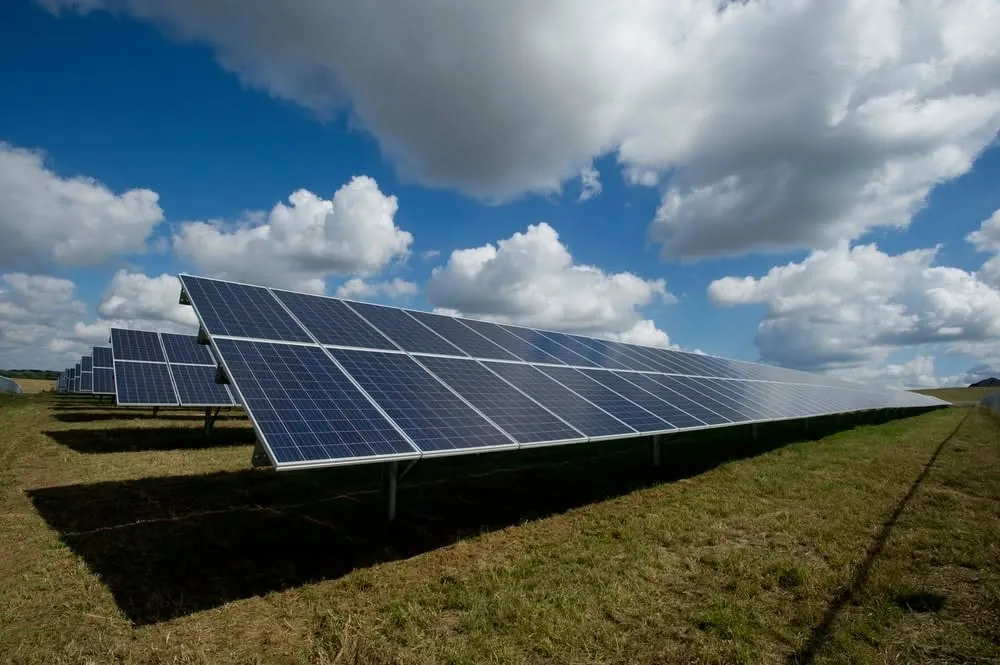
Solar Power Installation Service in Nairobi
100+
Projects Completed
50+
Expert Technicians
4.8/5
Client Rating
Same-Day
Response Time
24/7
Support Line
"5 Peak Sun Hours a Day, Every Day"
Nairobi gets a fairly consistent 5 peak sun hours daily, a solid solar resource by global standards. Combined with Kenya Power's tariff bands pushing most households and businesses above KES 16 per unit before levies and VAT, the payback math on a well-sized system here is genuinely favorable, not just a sales pitch.
Grid outages add a second reason: a hybrid system with battery backup keeps the lights on through a blackout and produces free power on every sunny day in between.
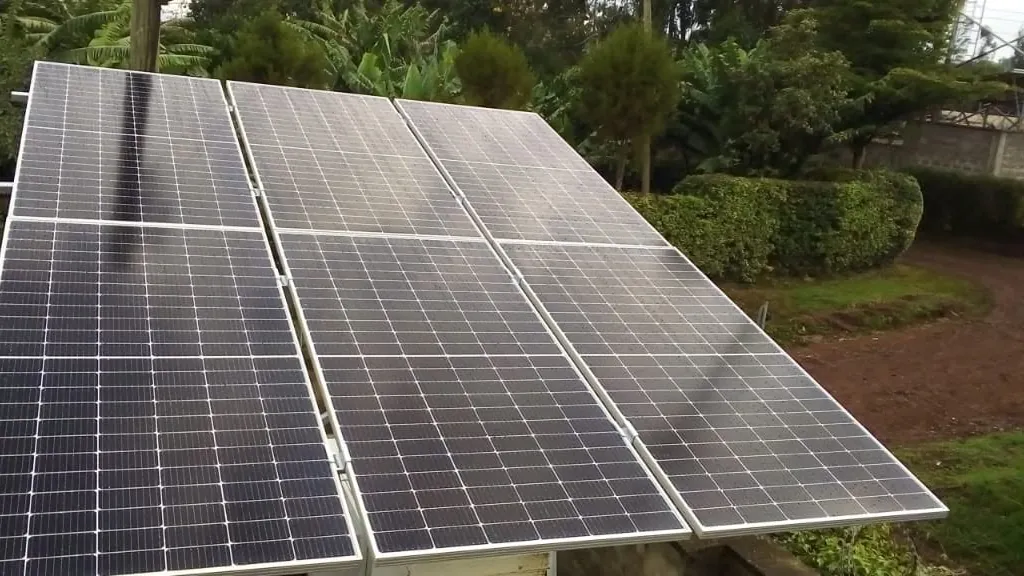
Go Solar, Stay Powered
What a Professional Installation Involves
A proper installation is a sequence of steps, not a single visit.
Site Survey & Energy Audit
We inspect your roof and review your actual Kenya Power bills, not a guess.
System Design & Sizing
Panel count, inverter capacity, and battery size specified for your real usage.
Equipment Procurement
Panels, inverter, battery, and mounting hardware sourced from proven brands.
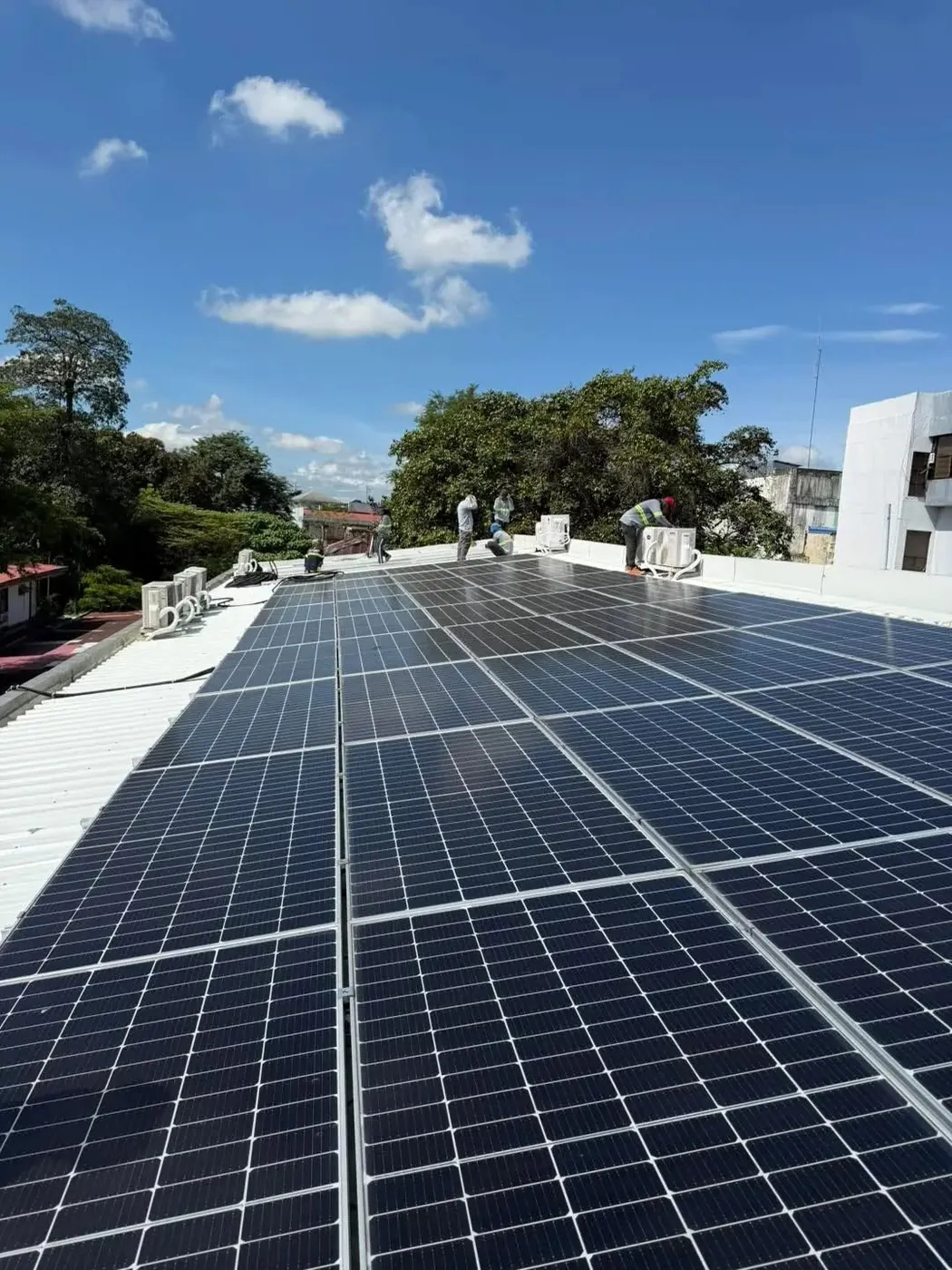
Installation & Mounting
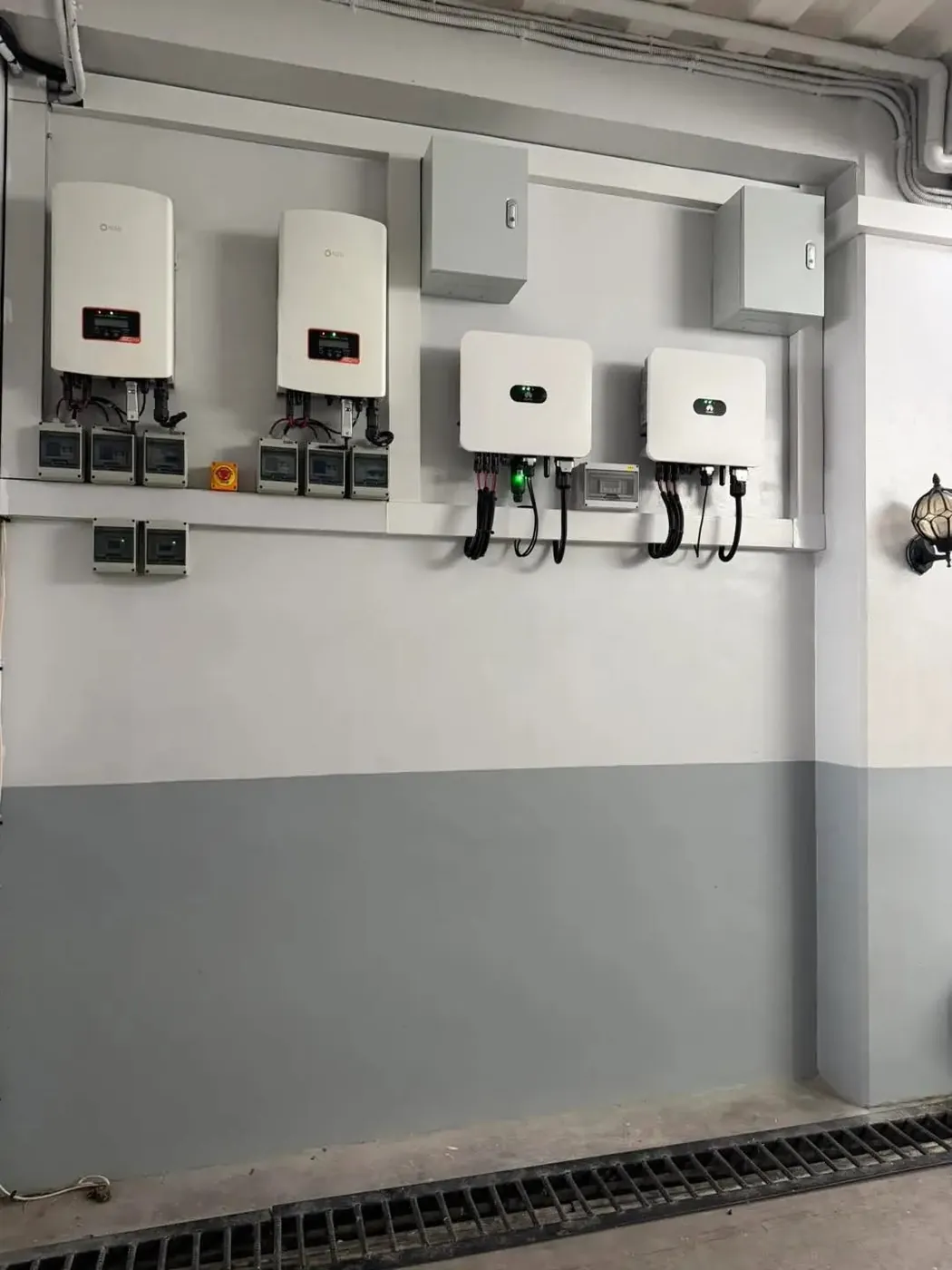
Panels mounted and wired to code, including breakers, isolation, and earthing.
Commissioning & Handover
System tested under load, monitoring explained, documentation handed over.
EPRA & KPLC Paperwork
Handled for systems that need interconnection or export approval.
Solar Installation Details
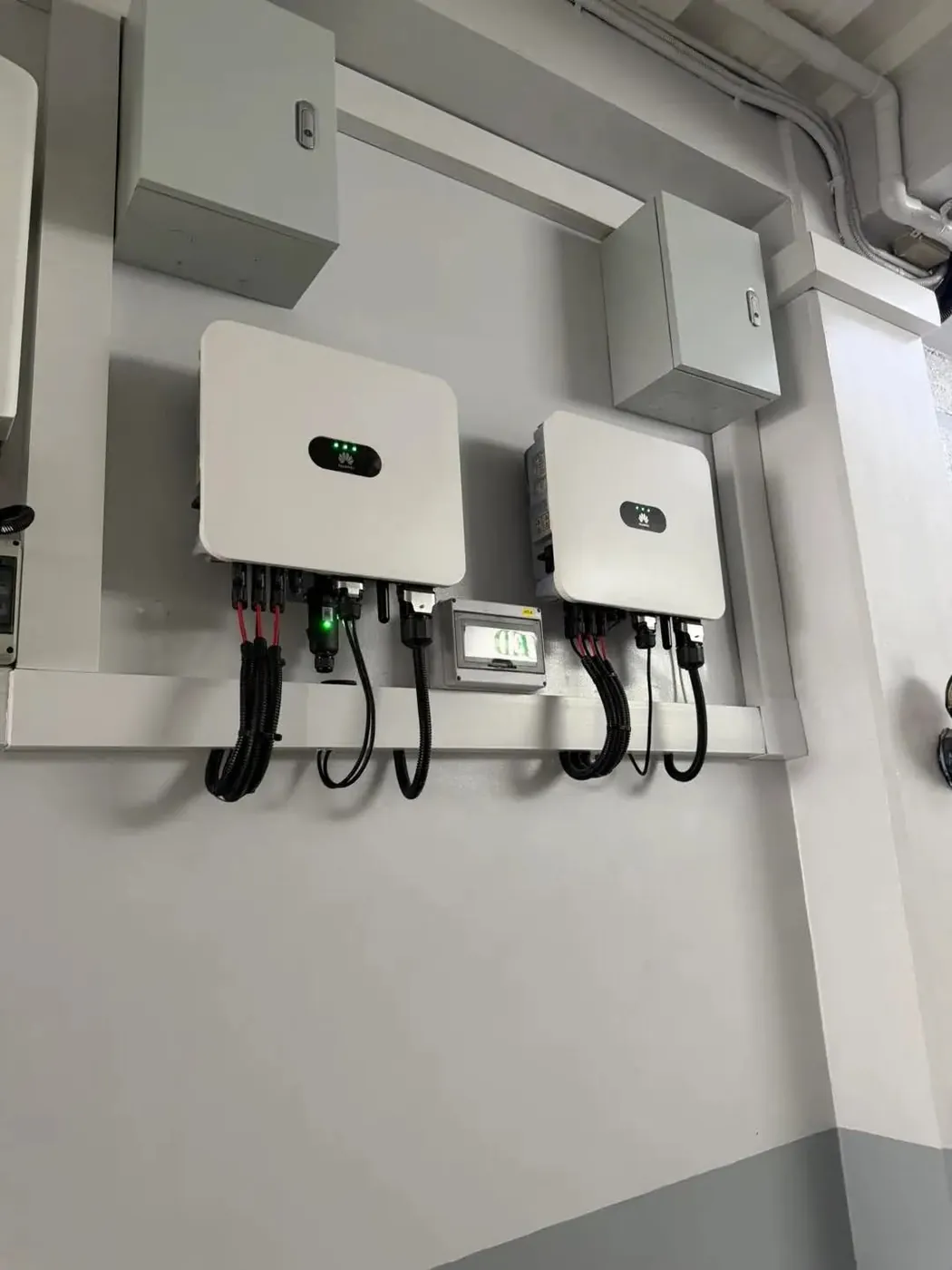
Types of Solar Systems We Install
| System Type | How It Works | Best For |
|---|---|---|
| Grid-Tied | Panels feed the property directly, grid tops up the rest, no battery | Lowest upfront cost, daytime-heavy usage |
| Hybrid | Panels + battery + grid connection, battery covers outages and evenings | Most Nairobi homes and businesses wanting backup |
| Off-Grid | Panels + battery, no grid connection at all | Properties with unreliable or no grid access |
Hybrid is the most common choice in Nairobi, since it solves the bill and the blackouts at the same time.
How Much Does Solar Installation Cost in Nairobi?
| System Size | Typical Use Case | Estimated Cost |
|---|---|---|
| 3kW Residential (grid-tied) | Small home, no battery | KES 150,000 - 250,000 |
| 5kW Residential (hybrid) | Standard family home with backup | KES 400,000 - 600,000 |
| 10kW Commercial | Office, retail, small commercial premises | KES 1,000,000 - 1,800,000 |
| 50kW+ Industrial | Factories, warehouses, godowns | KES 5,000,000+ |
Guide figures, not quotes. Actual pricing depends on roof condition, cable runs, battery chemistry, and whether net metering interconnection is part of the scope. Panel cleaning typically runs KES 5,000 to 15,000 per session, and a full annual inspection is usually KES 25,000 to 50,000.
Choosing the Right Installer
This is the part that determines whether your system still works properly in five years. Non-negotiables:
- ✓EPRA contractor licence (C1 Solar PV Contractor Licence) with a licensed technician on staff.
- ✓A written, sized quote based on your actual roof and Kenya Power bills, not a flat package price.
- ✓Separate warranties for panels, inverter, and battery, each in writing.
- ✓A clear maintenance plan and call-out cost for after installation.
Practical Tips Before You Install
- Pull your last 12 months of Kenya Power bills before your site survey.
- Check your roof's structural condition first, a re-roof after panels are mounted is expensive.
- A grid-tied system now with a hybrid-capable inverter lets you add a battery later.
- Ask whether your quote includes EPRA and Kenya Power paperwork, or if that's separate.
- Don't judge a quote on price alone, ask what brand of panel and inverter is being used.
If you're also considering CCTV and security systems for the same property, it's worth planning the electrical work together. Many Nairobi homes pair solar with backup generators for full redundancy, and larger commercial properties often needdedicated electrical upgrades first. See our whole service range, and if you're based in Karen, Westlands, or Kilimani, we serve those areas directly from our Nairobi CBD office.
We Also Serve These Areas
See What a System Would Look Like for Your Property
Get in touch for a free site survey. No obligation, no generic package pricing, just a system sized to what you actually use.
WhatsApp Us NowGet a Quote
FAQs - Solar Installation in Nairobi
How long does a residential solar installation take?+
Most 3kW to 5kW residential jobs are completed in two to five days once equipment is on site, weather and roof access permitting.
Do I need council or landlord approval to install solar?+
If you rent, get written landlord approval first. Most residential installations don't need county council approval, but check if your property is in a gated estate with its own rules.
Will solar work during Nairobi's cloudy seasons?+
Yes, panels still generate power on cloudy days, just less of it. A properly sized system accounts for seasonal variation, not just peak sunny-day output.
Can I finance a solar installation instead of paying upfront?+
Financing and pay-as-you-go options exist in the Kenyan market. Ask about this at the quote stage since it affects system sizing decisions.
What's the difference between a 3kW and 5kW system in practice?+
Roughly, 3kW suits a smaller home with modest usage; 5kW comfortably covers a standard family home including a fridge, TV, lighting, and occasional heavy appliance use.
Do solar panels need special care in Nairobi's dust?+
Yes, periodic cleaning a few times a year maintains output. Dust buildup can measurably reduce panel efficiency if left too long.
Is battery storage worth the extra cost?+
If outages are a real problem for you, yes. It's the difference between cheaper power and power that doesn't go out.
Can an existing generator setup work alongside solar?+
Yes, a hybrid inverter can typically be configured to prioritize solar and battery first, falling back to a generator or the grid only when needed.